
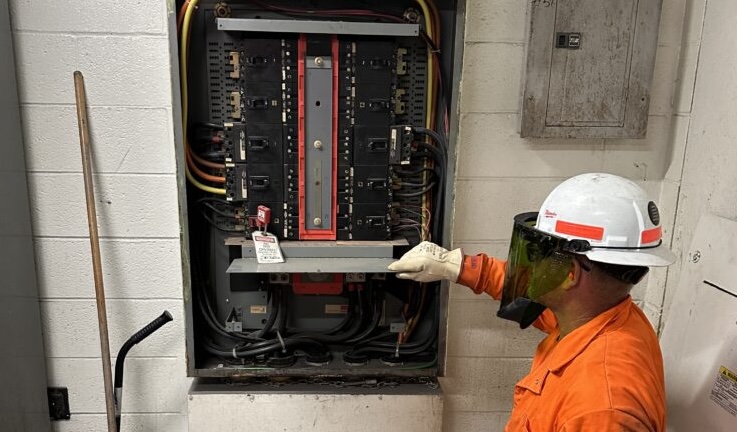
If you’re responsible for electrical systems, NFPA 70B’s 2023 update is not a “nice-to-have” change. It affects how often you inspect equipment, what methods you use, and what regulators expect to see.
For years, NFPA 70B lived in the world of best practice. Facilities that followed it were doing the right thing, but the language left wiggle room. The 2023 edition tightened that up in a way that matters: it shifts from advisory wording to mandatory wording. In plain English, “should” became “shall.” That one word turns an optional program into an enforceable maintenance standard, especially now that OSHA is using NFPA 70B as a baseline for electrical maintenance expectations.
The operational change: inspection frequency jumps
NFPA 70B 2023 sets minimum inspection intervals that are far more aggressive than what many facilities have historically done. The baseline is simple: electrical equipment must be inspected at least annually.
From there, the standard calls out common critical assets:
- Electric motors and VFDs: inspections every 6 months, plus annual comprehensive assessments
- Pumps: semi-annual inspections with annual detailed evaluations
- PLCs: annual inspections with detailed assessments every 24 months
- Gearboxes: annual inspections with comprehensive evaluations every 24 months
If your cadence was every two to three years, or inspections only happened after something “felt off,” this can translate into a 4–5x increase for certain systems. The reason is straightforward: electrical failures develop quietly. Loose connections, overloaded circuits, and degrading components don’t announce themselves until they do, and by then it’s expensive.
Thermal imaging is no longer optional
NFPA 70B 2023 is explicit about thermal imaging as part of an electrical maintenance program. Thermal inspections identify issues visual checks miss, including:
- Loose connections generating resistance heat
- Overloaded cables and circuits
- Phase imbalance across three-phase systems
- Deteriorating components trending toward failure
- Installation defects creating localized hot spots
Thermal imaging is most valuable when equipment is under load, because abnormal heat signatures show up clearly. It also means the work should be performed with professional-grade cameras and qualified thermographers who can interpret what the images mean. “Pretty pictures” are not a maintenance plan.
What non-compliance really costs
The obvious risk is regulatory exposure. Once NFPA 70B is treated as the expectation, failing to maintain and document inspections becomes a compliance issue, not just a reliability issue.
The bigger financial risk is operational. A single electrical event can trigger downtime, overtime, emergency contractor rates, equipment replacement, and cascading damage to connected systems. In many facilities, one preventable failure can cost more than years of preventive inspections.
Insurance is increasingly part of the conversation, too. Carriers scrutinize maintenance programs and documentation. Strong records can support due diligence; weak records can lead to higher premiums, tighter exclusions, or claim headaches.
Documentation is part of the requirement
Inspections must be documented well enough to stand up to audits and internal stakeholders. At a minimum, that means dates, assets inspected, operating conditions, inspector qualifications, thermal images with temperature measurements, findings severity, corrective recommendations, and verification of repairs.
What to do next
If you haven’t updated your maintenance plan since the 2023 edition, assume there’s a gap. Start with a quick gap analysis and a current equipment inventory. Then schedule a baseline thermal scan to establish condition, prioritize critical findings, and build an inspection calendar by asset type.
Louisville IR Thermal Imaging helps teams meet NFPA 70B expectations with high-resolution thermal inspections, clear reporting, and fast turnaround so findings can be acted on while you still have options. To schedule an assessment, call (502) 395-0354 or email LouisvilleInfrared@gmail.com.